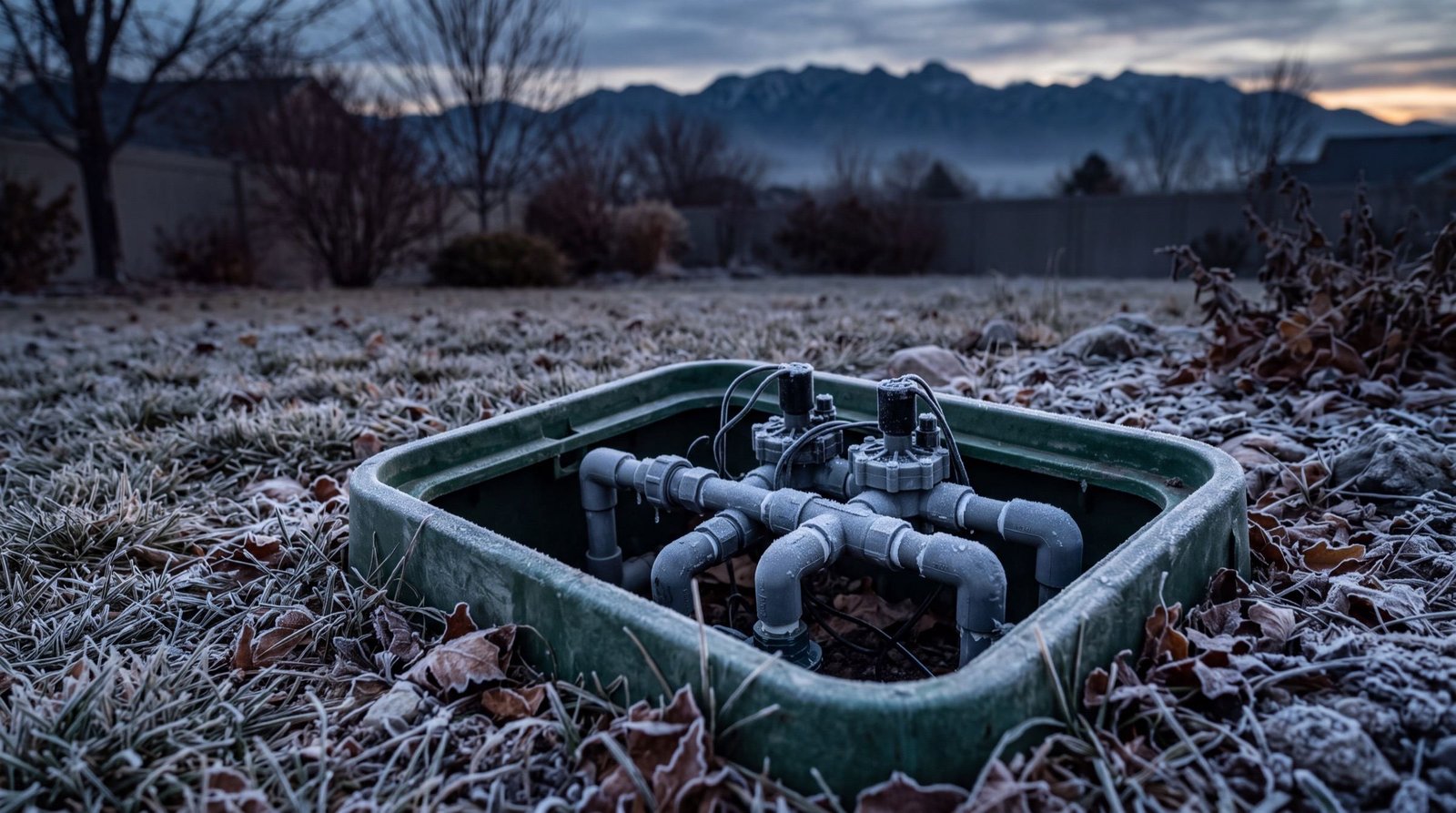
One skipped blowout can crack your pipes before Halloween.
Utah County's first hard freeze usually lands mid-to-late October. We clear every line with compressed air, shut the controller down properly, and put the work in writing — so the system you turn on in April is the one you shut off in October.
Blowouts are quoted by zone count — call and we'll price yours. We schedule from late September through the first hard freeze, and October fills first.
- Utah County Since 1994
- Licensed & Insured
- Family-Owned
The Fall List
Get on the blowout schedule.
Leave your name, number and zip and we'll call to set a day. October books out first — the earlier you're on the calendar, the more say you have in the date.
The list costs nothing and commits you to nothing. We route the schedule street by street, so being on it early is mostly about which week you get. Blowouts are quoted by zone count when we call.
Why It Matters
What actually breaks when water is left in the lines
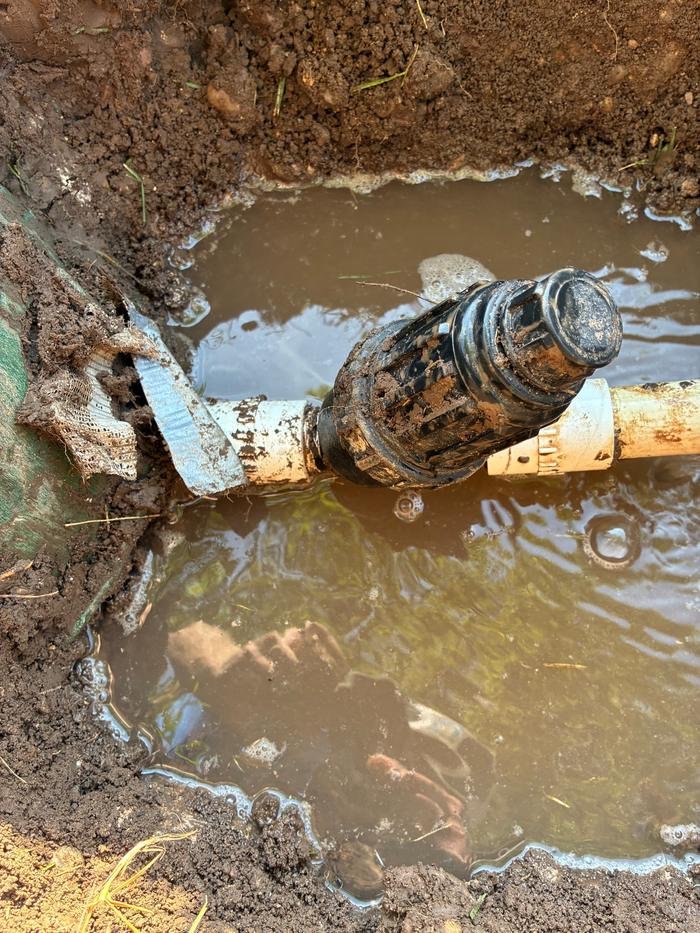
Water expands about nine percent when it freezes. In a sealed sprinkler line it has nowhere to go, so it splits whatever is holding it — and it almost never announces itself in October. You find out in April.
The backflow assembly
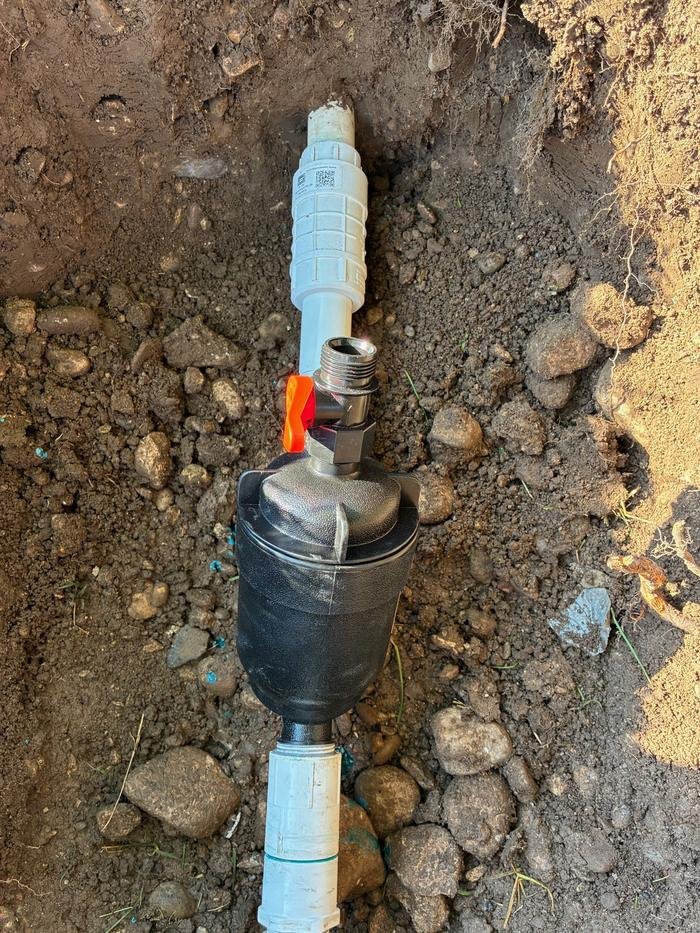
Sits above ground, freezes first, and is the most expensive single part on most residential systems. A cracked body is a replacement, not a repair.
Lateral lines
A split lateral under the lawn doesn't show until you pressurize in spring — then it surfaces as a wet patch and a water bill, and it has to be dug up to fix.
Valves and manifolds
Frozen diaphragms weep between cycles afterward. The zone still runs, so nothing looks wrong, and the leak just quietly runs all summer.
The Visit
What a blowout actually involves
Four steps, one truck, and no part of it is "run the compressor at the hose bib for ten minutes." Volume is what clears a line, and every zone gets its own turn.
Shut off and isolate
Water supply off at the main or the stop-and-waste, then the system is isolated so nothing re-fills behind the air.
Blow each zone, one at a time
Compressed air is introduced at controlled pressure and every zone is run individually until it discharges dry. Volume is what clears a line — not pressure.
Clear the backflow and drains
Test cocks opened, ball valves left at forty-five degrees so any trapped water has somewhere to expand, drip zones cleared at lower pressure.
Shut the controller down
Controller set to off or rain mode so it doesn't try to run a dry system all winter, and you get a written note of anything we saw worth watching in spring.
FAQ
Blowout questions Utah County homeowners ask
What does a sprinkler blowout cost in Utah County?
Blowout pricing depends on how many zones your system runs, so we quote it per yard rather than posting a flat rate. Call (801) 489-9629 and we'll price yours. We schedule from late September through the first hard freeze, and October fills first.
When should I winterize sprinklers in Utah?
Before the first hard freeze, which in Utah County is usually mid-to-late October. One night below freezing on a system that still holds water can crack a backflow or split a lateral line. We schedule blowouts from late September onward, and October fills first.
Can I blow out my own sprinklers with a shop compressor?
Usually not effectively. A shop compressor moves enough pressure but not enough volume — it will push water out of the first zone and leave the rest holding enough to freeze. Volume is what clears a line, and too much pressure with too little airflow is how heads and fittings get damaged.
What happens if I skip the blowout one year?
Sometimes nothing, if the winter is mild and the lines happen to drain. The failures that cost the most are the ones you don't see until spring: a cracked backflow assembly, a split lateral under the lawn, a valve that weeps between cycles. All of them are more expensive than the blowout was.
Do you winterize drip lines and hose bibs too?
Drip zones are cleared with the rest of the system at lower pressure, since drip emitters and fittings will not take full blowout pressure. Ask about hose bibs and any exterior lines when you book so the tech comes prepared.
What areas do you serve?
Provo, Orem, Lehi, Spanish Fork, Pleasant Grove, American Fork, Springville, Saratoga Springs, Payson, Lindon, Salem, Woodland Hills and Mapleton.
Still deciding?
Put your name on the list anyway. It costs nothing, it holds nothing against you, and it means the call comes from us in September instead of from you in November, after the first freeze has already had its say.
Or just call and ask.
Monday–Saturday, 8 AM – 8 PM. Tell us how many zones your system runs and we'll price the blowout on the phone.
Get on the Blowout List